
Why Do Professionals Prefer What is THC Vape for Natural Wellness in 2026?
Understanding THC Vapes: A Brief Overview
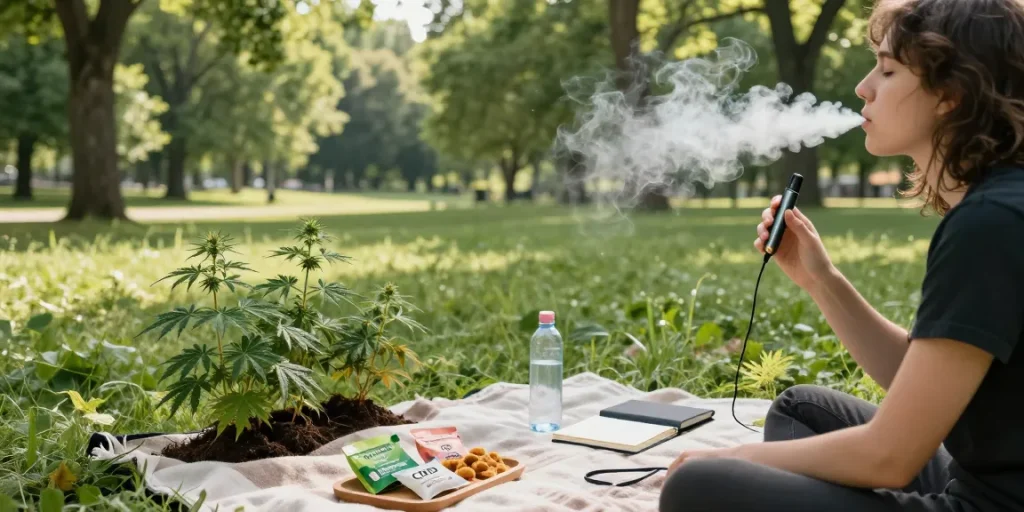
As the wellness industry continues to evolve, many are turning to vaping as an alternative method for experiencing the benefits of cannabis. Among these options, THC vapes stand out due to their convenience, portability, and the ability to deliver therapeutic effects more quickly than traditional smoking methods. In this article, we will delve into the essential aspects of THC vapes, from understanding what they are and how they work, to safety considerations and health benefits.
When exploring options, what is thc vape can provide comprehensive insights into the topic, highlighting key factors that contribute to a satisfying and effective vaping experience.
What is THC Vape and How Does it Work?
THC vapes refer to devices designed specifically to vaporize cannabis oil containing tetrahydrocannabinol (THC), the psychoactive component of the cannabis plant. These vapes come primarily in two formats—cartridges or disposable devices—and use a heating element to convert the liquid into a vapor that can be inhaled. This process allows users to experience the effects of THC without the harmful by-products associated with combustion from traditional smoking methods.
Understanding how vaping works is crucial for users. When vapor is inhaled, THCs enter the bloodstream through alveoli in the lungs, bypassing the digestive system and liver, which can delay the onset of effects. This method of consumption allows for a more rapid and efficient uptake of cannabinoids, providing a quicker therapeutic response.
Differences Between THC and CBD Vapes
While both THC and CBD (cannabidiol) vapes offer potential wellness benefits, they produce different effects due to their unique interactions with the body’s endocannabinoid system (ECS). THC is primarily responsible for the psychotropic effects of cannabis, such as euphoria, relaxation, and altered sensory perception. In contrast, CBD is non-psychoactive and primarily recognized for its therapeutic potential without causing a high.
Both types of vapes can be derived from full-spectrum or broad-spectrum extracts, which contain multiple cannabinoids, including terpenes that enhance their flavors and therapeutic effects. Users should consider their individual needs and desired outcomes when choosing between THC and CBD vapes.
The Science of Inhalation: How Vaping Affects Bioavailability
Bioavailability refers to the proportion of a substance that enters the circulation when introduced into the body. When it comes to THC vapes, bioavailability is significantly higher compared to other forms of consumption, such as edibles or tinctures. This is primarily due to the direct absorption of vapor into the lungs, leading to a faster onset of effects.
In a study examining various consumption methods, researchers found that inhalation methods, including vaping, boast a bioavailability rate between 30% to 60%, making it a preferred choice for many seeking immediate relief or effects. However, each individual’s unique physiology and factors like lung health will also play a role in determining personal bioavailability.
Health Benefits of THC Vaping
Therapeutic Applications of THC for Wellness Seekers
THC has garnered attention for its diverse therapeutic applications. Medical cannabis users frequently report benefits that extend to both physical and mental health. Clinical research and anecdotal evidence suggest that THC may be effective in managing conditions such as chronic pain, anxiety disorders, depression, and sleep disorders.
Inhalation of THC via vaping may also provide an alternative for those who struggle with pill consumption or prefer not to ingest substances. Additionally, the versatility of disposable THC vapes allows for easy dosing and portability, accommodating users with varying lifestyles.
Potential Relief for Chronic Pain and Anxiety
Many individuals turn to THC for pain relief. Research suggests that THC activates cannabinoid receptors in the brain and body, helping to modulate pain signals and encourage a sense of relaxation. This characteristic makes THC appealing for those suffering from chronic conditions such as arthritis, migraine, or nerve pain.
Moreover, users have reported that vaping THC can alleviate symptoms of anxiety, which is significant given the rising amount of individuals dealing with stress-related disorders. While THC can provide instant relief for some, it is essential to find an appropriate strain and dosage, as higher concentrations in sensitive users might exacerbate anxiety instead.
How Terpene Profiles Enhance the Vaping Experience
Terpenes are aromatic compounds found in many plants, including cannabis. Beyond lending plants their unique scents, terpenes also possess therapeutic properties that contribute to the overall experience of consuming THC. For instance, myrcene is believed to promote relaxation, while limonene could uplift mood and lessen anxiety.
The presence of specific terpenes in THC vapes not only enhances the flavor profile but also works synergistically with cannabinoids in what is known as the entourage effect. Understanding the terpene profile of a THC vape can help users select products tailored to their wellness needs. Consumers should explore products with diverse profiles to enjoy a richer vaping experience.
Types of Disposable THC Vape Devices
Understanding Different Vape Device Formats
Disposable THC vape devices have become increasingly popular due to their convenience and ease of use. These pens typically come pre-filled with cannabis oil and are designed for single-use, meaning users can enjoy their products without the hassle of refilling or recharging. A standard disposable vape often contains either cannabis distillate or live resin mixed with strain-specific terpenes, creating a robust and flavorful vaping experience.
In addition to disposable devices, rechargeable pens are also available. These allow users to deplete the product fully, maximizing the use of each unit, and are highly favored for their environmental benefits.
Rechargeable vs. Non-rechargeable Disposable Vapes
When considering disposable vapes, it’s essential to understand the key differences between rechargeable and non-rechargeable options. While non-rechargeable vapes are convenient and simple, rechargeable models provide extended use and allow users to consume every bit of oil without waste.
Most modern disposable vapes now feature a micro-USB or USB-C charging port, enabling users to recharge their device with ease. This not only eliminates waste but encourages responsible consumption practices by promoting the use of the entire product, which can be beneficial both to the consumer and the environment.
Choosing Quality: What to Look For in a Disposable Vape
Quality should always be a top priority when selecting disposable THC vapes. Consumers should look for products that utilize high-quality, lab-tested cannabis extracts free from harmful additives such as vitamin E acetate, propylene glycol (PG), and vegetable glycerin (VG). It’s also wise to choose brands that provide transparency regarding their sourcing, extraction methods, and laboratory testing practices.
Additionally, educating oneself about the brand’s reputation and customer reviews can provide insight into product quality and user experiences. Always prioritize those that emphasize rigorous testing and documented safety measures.
Safety Guidelines and Usage Considerations
How to Properly Use Disposable THC Vape Devices
Using disposable THC vape devices is relatively straightforward; however, following specific guidelines can help enhance your experience and maintain product integrity. Firstly, ensure that you allow your device to charge fully before the first use, even if it comes partially charged. This can help extend battery life.
Furthermore, users should avoid taking excessively long puffs as this can lead to overheating the device, reducing flavor quality and potentially causing oil clogs. Short, gentle puffs should provide the intended effects while preserving the device.
Potential Side Effects and Safety Precautions
Like all cannabis products, THC vapes can come with potential side effects. Some individuals may experience drowsiness, dry mouth, or digestive disturbances after using THC. It remains essential to consult with a healthcare professional, especially for those with underlying conditions or those on medications known to interact with cannabinoids.
It’s also crucial for users to be aware of potential drug test implications, especially with full-spectrum products that may contain trace amounts of THC. Additionally, individuals under the age of 21 should avoid consumptions, and pregnant or breastfeeding women should exercise caution and consult a physician as products are not intended to diagnose, treat, cure, or prevent any disease.
Legal Status of THC Vapes in 2026: What You Must Know
The legal landscape around THC vapes continues to develop in the wake of the 2018 Farm Bill, which legalized hemp-derived products under specific conditions. However, regulations can vary statewide, and individuals must be diligent in understanding the laws surrounding THC products in their local jurisdictions. As of 2026, THC remains federally illegal in many regions, with some exceptions based on state legislation. Awareness of state-specific regulations is vital for legal compliance.
Quality and Transparency in the THC Vape Market
Reading Certificates of Analysis (COA) for Safety Assurance
A key aspect of ensuring product safety is accessing the Certificate of Analysis (COA). This document provides transparency regarding the product, including information about cannabinoid concentrations, contaminants, and additional details relevant to safety. Users should always request and review COAs from manufacturers to confirm that their chosen products are lab-tested and free from harmful substances.
Organic Sourcing and Manufacturing Practices
Choosing brands that emphasize organic practices can further assure consumers of product quality. Pesticide-free, sustainable farming practices help assure that the cannabis is grown without harmful chemicals, thus maintaining the purity of the extracts. Brands that focus on organic materials often prioritize transparency, ensuring a quality product from the growth phase through production.
Choosing Reputable Brands: Indicators of Quality
When selecting THC vape products, recognizing what distinguishes a reputable brand will enhance safety and satisfaction. Look for indicators such as verified lab testing, clear ingredient listings, positive customer reviews, and transparent business practices. Brands committed to quality will often engage with their community, educate consumers, and provide ample product information to make informed decisions.
What Are the Most Common FAQs Regarding THC Vapes?
Many users have common questions surrounding THC vapes, including concerns over health effects, legalities, and product recommendations. A few frequently asked questions include:
- How long do disposable vapes last?
- Can I refill disposable vapes?
- What should I do if my vape gets clogged?
- Are all vape oils the same?
- Are there health risks associated with vaping THC?
Addressing these inquiries can help users understand their products better while feeling empowered in their consumption choices.
Best Practices for Storing Your Vape Products
To maintain the potency and quality of THC vape products, users should adhere to specific storage recommendations. Keep products in a cool, dry place away from direct sunlight, as excessive heat or light can degrade cannabinoids and terpenes over time. Additionally, ensure that vape units are stored upright to avoid oil leaks and ensure proper usage.
How to Identify High-Quality THC Vape Products?
Identifying high-quality THC vape products requires attentiveness to detail and informed decision-making. Look for products that are third-party tested with available COAs, ensure clear ingredient lists, and check for prominently displayed batch numbers. High-quality products typically come from reputable brands dedicated to safety, transparency, and responsible manufacturing practices.