
indigoboxersndanes.com Compared: The Best Training Options for Boxers and Great Danes in 2026
Understanding Boxer and Great Dane Breeds
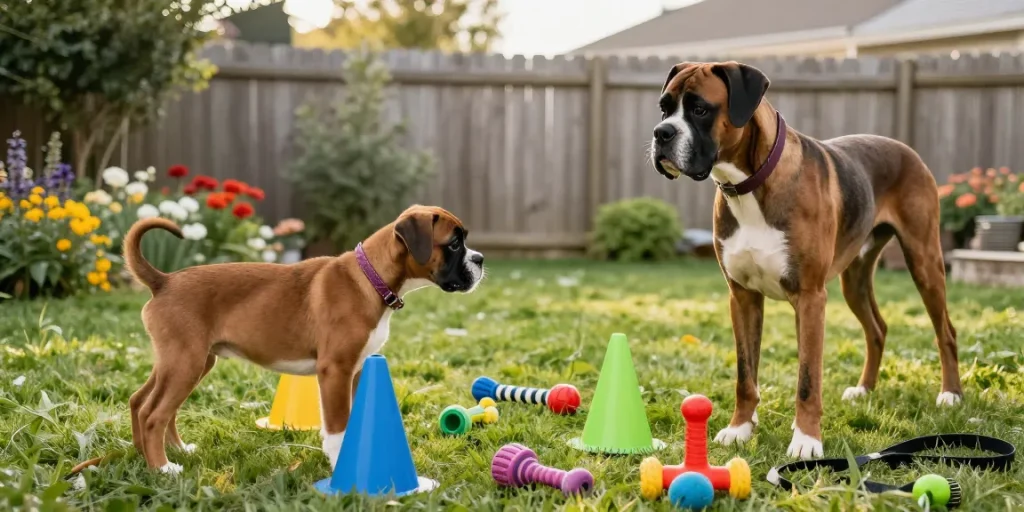
The Boxer and the Great Dane are two popular dog breeds known for their unique characteristics and companionship. While both breeds can make excellent family pets, their differing temperaments, physical traits, and training needs require careful consideration from prospective owners. Understanding these breeds is crucial in ensuring a harmonious relationship between dogs and their families. For resources and detailed insights on training techniques, indigoboxersndanes.com offers invaluable information for current and prospective dog owners.
Characteristics and Temperament of Boxers
Boxers are medium-sized, muscular dogs characterized by their playful and energetic nature. Known for their boundless energy and affectionate demeanor, these dogs often form strong bonds with their families. Boxers are typically protective, making them excellent watchdogs, but their exuberance can sometimes lead to boisterous behavior. They are intelligent and require mental stimulation, often thriving in active households where they can engage in play and exercise regularly.
Characteristics and Temperament of Great Danes
Great Danes, often referred to as “gentle giants”, are known for their impressive size and imposing stature. Despite their size, these dogs are typically friendly, gentle, and good-natured, making them wonderful companions. Great Danes are generally calm and well-mannered, though they do require socialization to prevent any potential behavioral issues. Their size can be intimidating, but they are often very affectionate, enjoying the company of their human families and getting along well with children and other pets.
Common Challenges Faced by Owners
Each breed presents unique challenges for their owners. Boxers, with their high energy levels, can be prone to boredom and destructive behavior if not adequately exercised and mentally stimulated. On the other hand, Great Danes face issues related to their size, such as finding appropriate housing and managing health concerns like hip dysplasia. Both breeds also require consistent training to ensure they are well-behaved and socialized, which can be challenging for new dog owners.
Effective Training Techniques for Boxers
Training Boxers is essential to managing their energy and ensuring they are well-adjusted. Early socialization and obedience training can significantly enhance their behavior and strengthen the bond between dog and owner. Boxers respond well to positive reinforcement, making training sessions both effective and enjoyable. Owners should look for flexible training programs that can adapt to their dog’s unique personality and energy levels.
Basics of Obedience Training
Starting with basic commands such as “sit,” “stay,” and “come” is crucial for successful training. Consistent practice in a distraction-free environment helps Boxers learn faster. Owners should reward their dogs with treats or praise for correct responses to reinforce good behavior.
Advanced Skills for Boxers
Once foundational commands are mastered, owners can introduce advanced skills like agility training or specialized tricks. Boxers often enjoy the challenge and mental stimulation these activities provide. Teaching advanced skills requires patience and creativity, as Boxers thrive on engagement.
Addressing Behavioral Issues
Boxers can exhibit behavioral issues such as jumping, barking, or stubbornness. It’s essential to identify triggers and implement consistent training techniques to address these behaviors. Seeking guidance from professional trainers can offer valuable strategies catered to specific behavioral challenges.
Innovative Training Methods for Great Danes
Training Great Danes involves unique methods that cater to their size and temperament. Positive reinforcement strategies work well, rewarding good behavior with treats and praise, which reinforces their willingness to learn. Given their gentle nature, training should focus on encouraging calm behavior, especially in public settings.
Positive Reinforcement Strategies
Using treats, toys, or affection as rewards during training sessions helps Great Danes understand desired behaviors. Positive reinforcement creates a trusting relationship between the dog and owner, making training a fun experience rather than a chore.
Socialization Techniques
Socializing Great Danes from an early age is critical to developing their confidence and reducing anxiety. Introducing them to various environments, people, and other dogs can enhance their social skills and ensure they are well-adjusted companions.
Working with Size and Strength
Due to their size, it’s crucial for Great Dane owners to train them with a focus on control and obedience. Harnesses and leashes designed for larger breeds can help manage their strength during walks. Training should also include teaching commands that emphasize calm behavior when interacting with guests or other animals.
Comparing Training Programs for Both Breeds
Choosing the right training program is vital to the successful development of both Boxers and Great Danes. Different methods cater to the specific needs and temperament of each breed, ensuring effective learning outcomes.
Group Classes vs. One-on-One Sessions
Group classes provide socialization opportunities and the chance for both breeds to learn in a structured setting. However, one-on-one sessions may be more beneficial for addressing specific behavioral issues or for first-time owners who may need more personalized guidance. Evaluating which option aligns best with the owner’s goals and the dog’s personality is essential.
Online Resources and Virtual Training
In an age of technology, many owners find value in online training courses that can be accessed from home. These resources can provide flexibility and allow owners to learn at their own pace. Ensuring that resources are reputable and recommended by professionals is key to effective training.
Expert Recommendations for 2026
As training methodologies evolve, experts recommend incorporating holistic approaches that prioritize mental and emotional well-being. Understanding that each dog is unique, trainers are encouraged to tailor their programs based on individual personalities and learning styles to foster positive development in both Boxers and Great Danes.
Future Trends in Dog Training
The landscape of dog training is continually evolving, with new trends emerging that reflect changing understandings of canine behavior and owner expectations. Keeping abreast of these trends can empower owners to implement the most effective strategies for their dogs.
Emerging Technologies in Training
Technology-driven tools such as training apps and wearable devices are becoming increasingly popular in dog training. These innovations help owners track their dogs’ progress, set training goals, and even provide interactive games that stimulate their pets mentally.
Shifts in Training Philosophy
A significant shift is seen in training philosophies that emphasize compassion and understanding over dominance. This positive reinforcement approach nurtures the bond between dog and owner and promotes healthy behaviors as opposed to merely correcting undesirable traits.
Predictions for the Future of Dog Care
As awareness of dog welfare increases, future trends in dog care are expected to include more comprehensive support systems for owners. This includes access to training resources, wellness programs, and community support groups to foster healthier dog-owner relationships.
FAQs about Training Boxers and Great Danes
What are the best ages to start training?
Training should ideally begin as early as eight weeks old, focusing on basic commands and socialization skills. Early training lays the groundwork for a well-mannered adult dog.
How do I choose the right trainer for my dog?
Look for trainers who specialize in positive reinforcement techniques and have experience with your dog’s breed. Personal referrals and online reviews can help identify qualified trainers.
What common mistakes do owners make during training?
Common mistakes include inconsistent commands, lack of patience, and neglecting socialization. It’s essential to remain consistent and understanding throughout the training process to yield the best results.
Can I train my dog at home effectively?
Yes, home training can be very effective, especially when utilizing structured schedules and integrating training into daily routines. Providing a calm environment free from distractions is essential for success.
How can I improve my dog’s social skills?
Regularly exposing your dog to new environments and situations while ensuring positive experiences will enhance their social skills. Group classes, parks, and playdates with other dogs can be beneficial.