
What is CBD Oil?
Defining CBD Oil and Its Origins
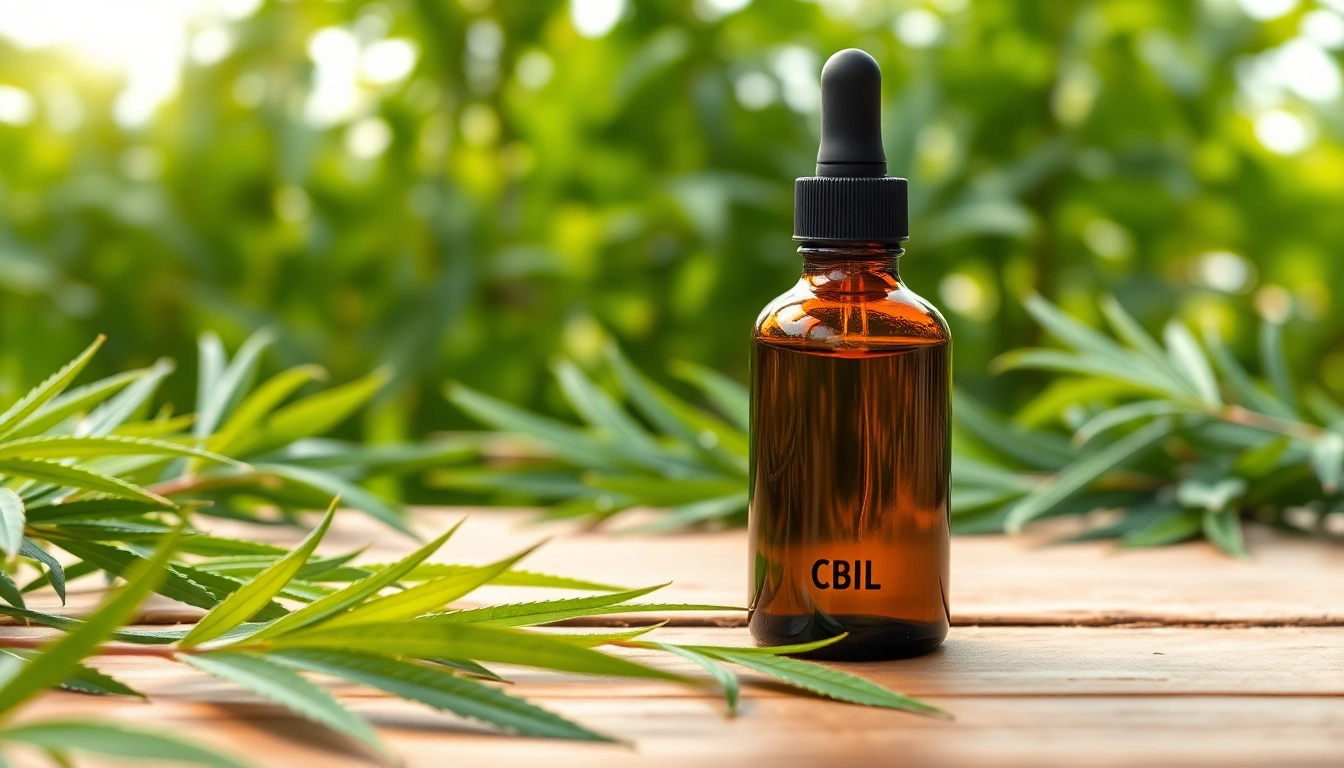
Cannabidiol, commonly known as CBD Oil, is one of the most prominent compounds extracted from the cannabis plant. Unlike tetrahydrocannabinol (THC), the psychoactive component of cannabis, CBD does not induce a state of euphoria or a "high." Instead, it has gained attention for its therapeutic potential. CBD is derived primarily from hemp, a variety of Cannabis sativa specifically cultivated for industrial and nutritional purposes. The cultivation of hemp dates back thousands of years, with roots in ancient China and its spread across various cultures for its fiber, seeds, and oils.
How CBD Oil is Extracted
The extraction process of CBD Oil often determines its quality and effectiveness. Several extraction methods exist, with the following being the most prevalent:
- CO2 Extraction: Known for its efficiency and safety, this method uses carbon dioxide at high pressure and low temperatures to isolate cannabinoids while preserving the plant's terpenes and flavonoids.
- Solvent Extraction: While effective, solvent extraction utilizes chemicals like ethanol or butane, which can leave harmful residues if not performed correctly.
- Olive Oil Extraction: This method involves infusing the plant material with olive oil. It is cost-effective but has a shorter shelf life than other oils.
Post-extraction, the product may be further refined to isolate pure CBD or remain in a full-spectrum or broad-spectrum format, retaining other valuable cannabinoids and compounds.
The Differences Between CBD Oil and Other Cannabinoids
CBD Oil differs significantly from other cannabinoids like THC, CBG, and CBN, particularly in its interactions with the body. While THC binds directly to the CB1 and CB2 receptors in the endocannabinoid system, CBD interacts with receptors in a more indirect manner, often modulating their effects. This leads to various effects, including potential anti-inflammatory properties, without the psychoactive impact associated with THC. Understanding these differences is crucial for consumers seeking specific therapeutic benefits from cannabinoid products.
Health Benefits of CBD Oil
Managing Chronic Pain with CBD Oil
Chronic pain affects millions of individuals worldwide, and many have turned to CBD Oil as a natural alternative for relief. Various studies suggest that CBD may interact with neurotransmitters and reduce inflammation, which are both essential in pain management.
For example, a study published in the Journal of Pain demonstrated that CBD might significantly reduce pain and inflammation in rats with arthritis. While human studies are still needed, anecdotal evidence consists of countless testimonials from individuals reporting decreased pain levels and improved quality of life after consistent CBD Oil use.
Insights into CBD Oil and Mental Health
CBD's potential benefits extend into the realm of mental health as well. Emerging research indicates that CBD Oil may help alleviate symptoms of anxiety, depression, and post-traumatic stress disorder (PTSD). By influencing serotonin levels in the brain, CBD appears to provide an anxiolytic effect without the side effects commonly associated with conventional medications.
A clinical trial involving participants with social anxiety found that those administered CBD experienced significantly less anxiety during public speaking tasks compared to a placebo group. The ongoing research continues to uncover the depths of how CBD may support mental well-being.
Potential Benefits for Skin and Hair Care with CBD Oil
Beyond internal health applications, CBD Oil's anti-inflammatory properties extend into skincare. Many cosmetic brands now incorporate CBD in products targeting acne, psoriasis, and general skin irritation. The oil's ability to regulate oil production in the skin, combined with its antioxidant effects, helps maintain healthy skin.
Additionally, in terms of hair care, CBD Oil is being used in shampoos and conditioners due to its nourishing properties. It may strengthen hair, reduce breakage, and promote scalp health, making it an appealing option for individuals looking to enhance their hair care routine.
How to Use CBD Oil Effectively
Dosage Guidelines for CBD Oil
Determining the right dosage of CBD Oil can be challenging due to the lack of standardized measurements. Factors such as body weight, individual metabolism, and the condition being addressed all play a role in finding the optimal dose.
As a general guideline, many recommend starting with a low dose (around 5-10 mg per day) and gradually increasing as necessary, monitoring the effects for a week or two before making changes. Consulting a healthcare professional who is knowledgeable about cannabis can provide personalized guidance tailored to individual needs.
Methods of Consumption: Tinctures, Edibles, and More
CBD Oil can be consumed in various forms, making it accessible for different preferences. Here are some common consumption methods:
- Tinctures: A concentrated liquid form of CBD that is absorbed sublingually (under the tongue) for rapid effects.
- Edibles: Infused into foods like gummies or baked goods, providing a discreet and tasty way to consume CBD, though they take longer to take effect.
- Capsules: CBD-infused capsules offer precise dosing and ease of use, similar to a traditional supplement.
- Topicals: Creams and salves infused with CBD can be applied directly to the skin to target localized pain or inflammation.
Choosing the right method depends on personal preference, desired effects, and lifestyle considerations.
Combining CBD Oil with Other Supplements
Many consumers explore the potential benefits of combining CBD Oil with other supplements. For example, olive oil, omega-3 fatty acids, and turmeric may enhance CBD's anti-inflammatory properties. However, it's crucial to research and consult with healthcare providers before combining supplements to avoid adverse interactions or unintended effects.
Choosing Quality CBD Oil Products
Understanding Labels and Certifications
When selecting CBD Oil products, understanding labels is essential. Look for details on the concentration of CBD, whether it is full-spectrum or broad-spectrum, and any third-party testing certifications. Full-spectrum CBD contains multiple cannabinoids, including trace amounts of THC, while broad-spectrum is THC-free but includes other beneficial cannabinoids.
What to Look for in Third-Party Testing
Third-party testing is an independent verification process that ensures products meet purity and potency standards. Reputable brands will provide COAs (Certificates of Analysis) that detail cannabinoid content and check for contaminants such as heavy metals, pesticides, and microbial life. Always request COAs before purchase to ensure product safety and reliability.
Identifying Real vs. Fake CBD Oil Market Trends
As the CBD market rapidly expands, distinguishing genuine products from fraudulent ones is critical. Look for signs of quality, such as clear labeling, comprehensive ingredient lists, and manufacturer transparency. High-quality CBD Oil products will be formulated using reputable extraction methods and sourced from organic hemp to ensure safety and efficacy. Consumer reviews and ratings can provide insight into product reliability.
Legal Aspects and Safety of CBD Oil
Current Legal Status of CBD Oil in the US
The legal landscape surrounding CBD Oil has evolved substantially, particularly since the 2018 Farm Bill legalized hemp-derived CBD products in the United States, as long as they contain less than 0.3% THC. However, regulations can vary widely by state, and consumers should be aware of their local laws regarding CBD use and distribution.
Possible Side Effects and Risks of CBD Oil
While many users experience positive results, CBD Oil is not without its potential side effects. Some individuals may experience fatigue, diarrhea, or a change in appetite. Additionally, CBD can interact with certain medications, including blood thinners, which may pose risks. It is crucial for individuals to consult healthcare professionals, particularly those with pre-existing medical conditions or those currently taking medication.
Future Research and Regulations for CBD Oil
The ongoing research into the uses and effects of CBD Oil showcases its significance in the wellness industry. As studies continue to explore its therapeutic benefits, more robust regulatory frameworks will likely emerge, providing consumers with more protection and clarity. Staying abreast of developments ensures that individuals can make informed choices regarding CBD Oil and its application in wellness and health.