
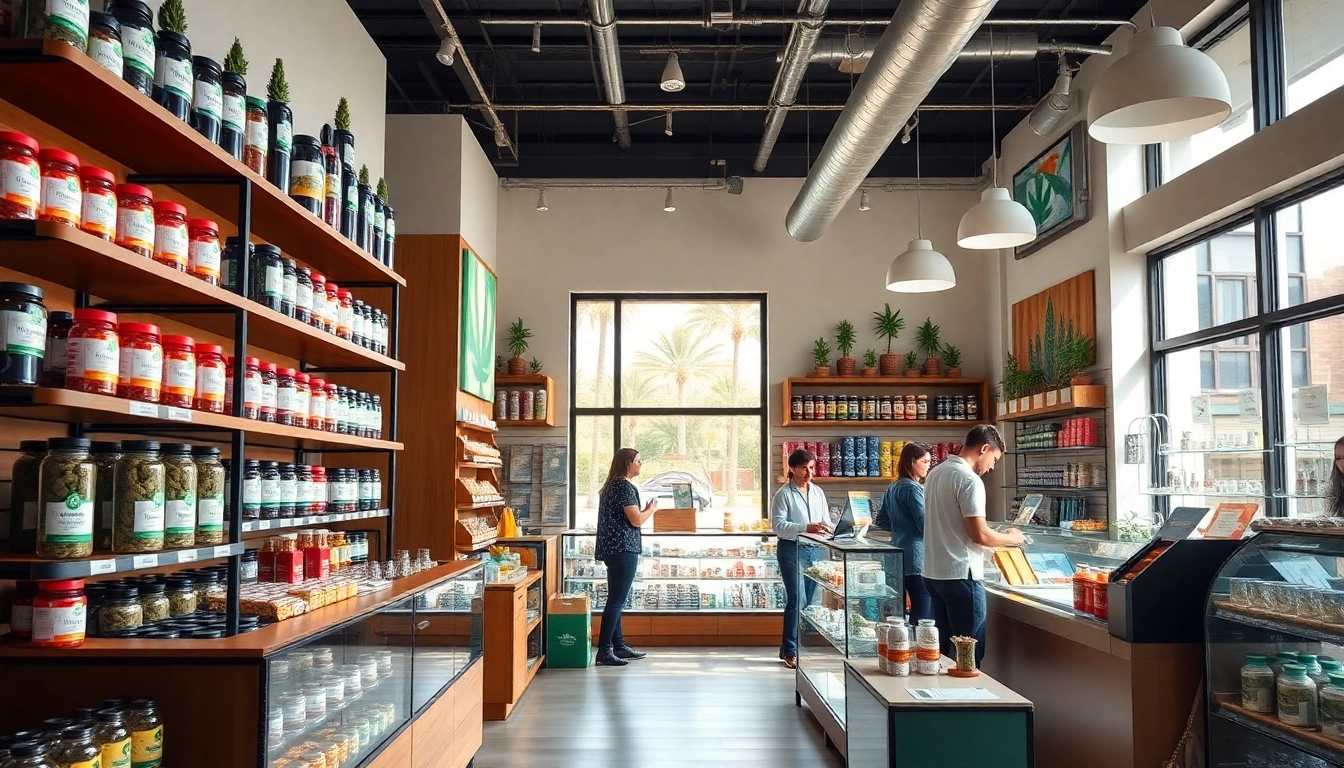
The Evolution of the Weed Store Landscape
Understanding Consumer Preferences
The landscape of the cannabis market has drastically changed over the past few years, with consumer preferences evolving in tandem with the industry's growth. As legalization sweeps across various states, the stigma associated with cannabis has diminished, paving the way for a broader demographic to engage in its use, whether for recreational or medicinal purposes. This shift has led to a surge in retail shops aiming to cater to an increasingly diverse clientele.
Modern consumers are more informed than ever, relying on research and personal experiences to shape their preferences. They seek transparency regarding product origins, cultivation practices, and lab testing results. A comprehensive understanding of these factors establishes trust, making it essential for any Weed Store to prioritize education and transparency. Brands that provide detailed information regarding strain types, cannabinoid profiles, and production methods tend to resonate better with today’s consumers.
The Rise of Online Ordering for Weed Stores
As consumer behaviors shift, online ordering has emerged as a pivotal trend in the cannabis industry. Many customers prefer the convenience of browsing menus and placing orders from the comfort of their homes. This demand has driven many weed stores to invest in robust online platforms that feature user-friendly interfaces, ensuring easy product access.
The rise of e-commerce has also introduced a new layer of competition among weed stores. Establishments that provide seamless online experiences often attract a wider audience, including those who may not feel comfortable visiting a physical location. With personalized recommendations, detailed product descriptions, and customer reviews readily available, online platforms have become essential tools in enhancing customer engagement.
Regulatory Changes Impacting Weed Stores
The cannabis industry is uniquely affected by regulatory frameworks. Consistent changes in legislation at both state and federal levels necessitate a keen understanding of the legal landscape for any weed store. Compliance with local laws regarding licensing, advertising, and product labeling is crucial for sustainable operations.
As more jurisdictions move toward legalization, the regulatory environment continues to evolve. Weed stores must not only navigate compliance but can also leverage advocacy opportunities to shape these regulations in favor of the industry. Keeping a pulse on legislative changes enables stores to adapt proactively and maintain their competitive advantage.
Essential Products Found in a Weed Store
Types of Cannabis Strains and Their Benefits
A critical aspect of any weed store's inventory is its selection of cannabis strains. Cannabis is a highly versatile plant, offering a myriad of strains, each with unique effects and therapeutic benefits. Generally categorized into three primary types—Indica, Sativa, and Hybrid—each strain type provides distinct experiences, making it vital for customers to choose according to their needs.
- Indica: Known for its relaxing and sedative effects, Indica strains are often recommended for individuals dealing with insomnia, anxiety, and chronic pain.
- Sativa: Typically associated with uplifting and energizing effects, Sativa strains are suitable for enhancing creativity and social interactions, making them ideal for daytime use.
- Hybrid: These strains combine traits from both Indica and Sativa plants, providing balanced effects. They cater to a broader range of needs, allowing consumers to select based on specific preferences.
The ability to educate customers about the benefits of each strain fosters a loyal customer base that feels empowered to explore various options. Offering information on terpene profiles, cannabinoid percentages, and potential side effects is imperative to customer satisfaction.
Edibles and Their Growing Popularity
Edibles have surged in popularity as a discrete and tasty alternative to traditional cannabis consumption methods. From gummies to chocolates, the variety available in weed stores caters to varied tastes and preferences. Their appeal lies in their nuanced flavors and the perceived gentler route of ingestion compared to smoking.
As the demand for edibles grows, weed stores must ensure proper labeling and dosage information is displayed prominently. Understanding the metabolic differences between ingesting versus inhaling cannabis is crucial as it affects the delivery and intensity of effects. Providing customers with guidance on anticipated onset times and continued effects can enhance their experience and enhance trust in the brand.
Introducing Cannabis Accessories and Tools
A weed store’s product range is not solely limited to cannabis itself; accessories and tools also play an essential role in the consumer experience. Products such as rolling papers, pipes, vaporizers, and storage containers contribute significantly to enhancing consumption methods.
Creating an appealing accessories section can captivate customers looking to optimize their cannabis experience. Moreover, providing educational resources around the use and benefits of different accessories can position a weed store as a knowledgeable authority in the cannabis space, encouraging repeat business and customer loyalty.
Marketing Strategies for a Successful Weed Store
Building a Strong Online Presence
In the digital age, a strong online presence is indispensable for a successful weed store. Maintaining an informative and visually appealing website not only attracts customers but also builds brand credibility. Leveraging social media platforms helps engage a community around the brand, fostering direct lines of communication with customers.
Content marketing plays a vital role as well. Blogs, videos, and guides addressing common cannabis questions and lifestyle tips can position your brand favorably in search engines, driving organic traffic. Regular engagement through posts, promotions, and user-generated content can create a loyal following that actively participates in spreading the word about the brand.
Utilizing Local SEO for Your Weed Store
Local SEO is fundamental for weed stores aiming to draw in nearby customers. Utilizing specific local keywords in content, optimizing Google My Business listings, and appearing in local directory searches can significantly increase visibility among potential customers residing in the area.
Encouraging customer reviews and testimonials enhances local search rankings while instilling trust among new visitors. A well-planned local SEO strategy can ensure that your weed store remains top-of-mind for customers seeking cannabis products and education.
Engaging Customers Through Community Events
Building a community around a weed store can lead to a loyal customer base. Hosting events, workshops, and educational sessions not only allows customers to engage directly with the brand but also positions it as a community hub for cannabis education and advocacy.
Partnering with local organizations for events can further expand reach and foster goodwill in the community. Engaging customers through giveaways, contests, and loyalty programs can incentivize participation and foster brand loyalty.
Challenges Faced by Weed Stores Today
Dealing with Regulatory Compliance
While the cannabis industry flourishes, navigating the complex web of regulations remains a significant challenge for weed stores. Compliance is key in maintaining operation licenses and ensuring consumer safety. It is essential for store operators to stay informed about local, state, and federal regulations governing product labeling, advertising, and sales limits.
Investing in robust compliance systems and conducting regular audits can help mitigate risks associated with non-compliance, such as fines and legal complications. Building relationships with local regulators can also be beneficial, as it opens channels for clarifying regulations and receiving guidance.
Managing Supply Chain Issues in the Cannabis Sector
The cannabis supply chain can often be subject to fluctuations that impact inventory levels and product availability. Disruptions in cultivation, processing, and distribution can lead to shortages or delays, which can adversely affect sales and customer satisfaction.
Building relationships with multiple suppliers and maintaining transparent communication channels can help mitigate these risks. Developing a responsive inventory management system can also help forecast demand and manage stock more efficiently, ensuring customers’ needs are consistently met.
Understanding Competition Among Weed Stores
As more weed stores enter the market, competition intensifies. Differentiating your store through unique product offerings, exceptional customer service, and educational resources can help navigate this competition. Regularly analyzing competitors’ strategies and customer feedback can provide insights into areas for improvement.
Additionally, developing a strong brand identity and leveraging effective marketing strategies can help establish a weed store's niche, ultimately helping to retain customer loyalty in a crowded market.
Future Outlook for Weed Stores
Innovative Trends in Cannabis Retail
The future of weed stores looks promising, bolstered by innovations in product offerings and retail experiences. Incorporating technology, such as augmented reality (AR) for product visualization and personalized shopping experiences, could reshape how consumers experience cannabis retail.
Moreover, advancements in product development, such as new cannabinoid formulations and sustainable practices, may attract eco-conscious consumers. As the industry evolves, staying ahead of these trends will be crucial for maintaining relevance and attracting new customers.
Potential Changes in Consumer Behavior
As the consumer demographic expands, understanding the developing preferences and behaviors of varied age groups can offer essential insights for weed stores. Younger consumers may prioritize sustainability, unique products, and social responsibility, while older demographics may seek medicinal benefits and ease of access.
Monitoring shifts in consumer behavior will play a vital role in developing marketing strategies and product offerings that appeal to diverse audiences, ensuring stores can adapt to changing market demands effectively.
Emerging Markets for Weed Stores
As legalization efforts continue to expand across various regions, new markets are emerging, offering tremendous growth potential for weed stores. Understanding regional preferences and compliance requirements will be essential for tapping into these markets effectively.
Establishing a brand presence early in an emerging market could lead to significant competitive advantages. Focusing on localized marketing efforts, community engagement, and compliance will facilitate smooth entry into new markets while nurturing brand loyalty.
As society increasingly acknowledges the benefits and legitimacy of cannabis, the role and perception of weed stores are set to evolve. By prioritizing customer education, embracing technology, and understanding market trends, these establishments can secure a prosperous future in the ever-evolving landscape of cannabis retail.