Understanding the Role of Glass Machine Manufacturers in Modern Industry
In the ever-evolving landscape of modern manufacturing, the significance of glass machine manufacturers cannot be overstated. These companies provide the essential machinery that shapes how glass products are made, catering to a diverse array of industries such as construction, automotive, and home furnishings. As the demand for high-quality glass continues to rise, so too does the importance of reliable and innovative manufacturing equipment.
What Are Glass Machine Manufacturers?
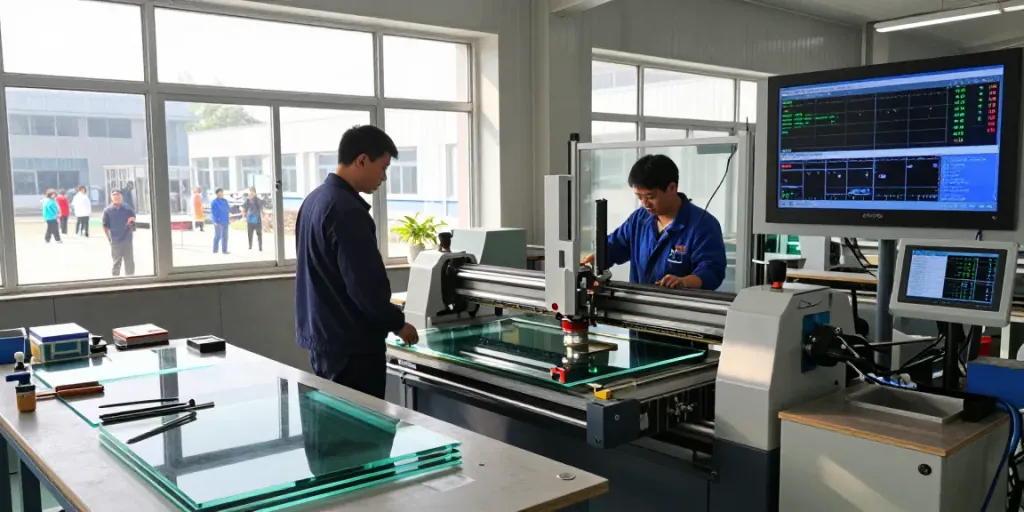
Glass machine manufacturers design and produce specialized equipment used for various glass processing applications. This machinery encompasses a wide range of functions, including cutting, washing, polishing, laminating, and drilling glass. Manufacturers in this sector focus on developing machines that not only enhance operational efficiency but also ensure the quality and durability of the final product. Companies like Eworld Machinery, established in 2002, lead the market by offering advanced solutions tailored to the unique needs of their clients.
The Importance of Quality in Glass Manufacturing Equipment
High-quality glass manufacturing equipment is critical for producing safe and aesthetically pleasing glass products. Poorly manufactured machines can lead to defects in glass, resulting in increased scrap rates and higher operational costs. Therefore, manufacturers must prioritize quality control in their processes, ensuring that each machine meets rigorous standards. This commitment to quality not only bolsters the reputation of the manufacturer but also builds trust with customers who rely on their machinery for their own production needs.
Trends in Glass Machinery Technology for 2026
The glass manufacturing industry is poised for significant transformation as we approach 2026. Emerging technologies such as automation, artificial intelligence, and the Internet of Things (IoT) are reshaping how glass machinery functions. These innovations enable manufacturers to optimize production lines, minimize waste, and enhance product customization. As customers demand more flexibility in their orders, manufacturers will need to adapt to these technological advancements to stay competitive.
Types of Glass Machines and Their Applications
Overview of Popular Glass Machinery: Cutting, Polishing, and More
Glass processing involves multiple specialized machines, each playing a pivotal role in the production process. Some of the most common types of glass machines include:
- Glass Cutting Machines: Designed for precision cutting of glass sheets into specified sizes.
- Glass Washing Machines: Essential for cleaning glass surfaces to remove contaminants before further processing.
- Glass Edge Polishing Machines: Used to polish the edges of glass, providing a smooth finish and preventing sharp edges.
- Glass Laminating Machines: These machines bond layers of glass with interlayer materials for safety and aesthetic purposes.
- Glass Drilling Machines: Allows for creating precise holes in glass products for various applications.
- Glass Sandblasting Machines: Utilized for etching or frosting glass surfaces for decorative effects.
Automated vs. Manual Glass Processing Machines
The choice between automated and manual glass processing machines often depends on the scale of production and the specific needs of the manufacturer. Automated machines generally offer higher efficiency and consistent quality, making them suitable for large-scale operations. In contrast, manual machines may be favored by smaller workshops that require more flexibility and lower upfront costs. Understanding the benefits and drawbacks of each type is essential for manufacturers looking to optimize their manufacturing processes.
Case Studies: Successful Implementations of Various Machines
Real-world examples of successful machine implementations can provide valuable insights into best practices in glass manufacturing. For instance, a large architectural glass manufacturer adopted a fully automated glass cutting and washing line, significantly reducing production time and labor costs while improving product quality. Similarly, a furniture glass manufacturer that integrated advanced edge polishing technology reported a 30% increase in customer satisfaction due to the superior finish of their products. These case studies highlight the impact of investing in modern glass machinery on overall business performance.
Challenges Faced by Glass Machine Manufacturers
Common Manufacturing Challenges in Glass Production
Despite advancements in technology, glass machine manufacturers face several challenges in their production processes. Key issues include:
- Material Quality Control: Ensuring that raw materials meet quality standards is crucial for producing high-grade glass.
- Maintenance of Machinery: Regular maintenance is necessary to prevent breakdowns and ensure optimal performance, which can be costly.
- Skilled Labor Shortages: The industry often struggles to find qualified technicians capable of operating advanced machinery.
Addressing Safety and Compliance Issues
Safety is paramount in glass manufacturing, as the process involves sharp materials and heavy machinery. Manufacturers must adhere to strict safety regulations and provide training to employees. Compliance with international standards not only minimizes workplace accidents but also enhances company reputation among clients and partners.
Adapting to Market Demands and Innovations
The glass industry is subject to rapidly changing market demands influenced by consumer preferences, environmental regulations, and economic factors. Manufacturers must stay alert to these shifts and be willing to innovate their machinery and processes to remain relevant. For example, the rise in demand for energy-efficient glass products has inspired manufacturers to invest in machinery that supports sustainable practices.
Best Practices for Selecting Glass Machinery
Evaluating Quality and Performance Criteria
When selecting glass machines, manufacturers must consider various quality and performance metrics. Key factors include:
- Durability: Machines should be built to withstand continuous use without significant wear.
- Efficiency: Higher efficiency means reduced operational costs, which is critical in a competitive market.
- Flexibility: Machinery that can accommodate various glass types and sizes offers manufacturers versatility.
Key Questions to Ask Glass Machine Suppliers
Before settling on a supplier, manufacturers should ask pertinent questions to ensure the chosen equipment meets their needs. These questions could include:
- What are the warranty terms and service support options?
- How does the equipment integrate with existing systems?
- Can the machinery be customized according to specific production requirements?
Cost Considerations and Budgeting for Equipment
Investing in glass machinery can require substantial capital; therefore, manufacturers must carefully budget for new equipment. This involves considering not only the initial purchase price but also operational costs, maintenance expenses, and potential downtime. A thorough cost-benefit analysis will assist in making informed financial decisions.
The Future of Glass Machinery Industry
Emerging Technologies and Their Impact on Glass Production
As we look toward the future, emerging technologies promise to revolutionize glass manufacturing. Innovations such as 3D printing and advanced robotics are paving the way for new production capabilities. These technologies allow for more complex designs and faster turnaround times, potentially reshaping consumer expectations.
Sustainability Practices in Glass Manufacturing
Sustainability has become a significant focus in modern manufacturing. Glass machine manufacturers are increasingly integrating eco-friendly practices into their operations, from using recyclable materials to designing machines that consume less energy. This shift not only helps protect the environment but also aligns with the growing consumer demand for sustainable products.
Preparing for Industry 4.0: Digital Transformation in Manufacturing
The notion of Industry 4.0 involves the digital transformation of manufacturing processes through connected machinery, big data, and advanced analytics. Glass manufacturers must prepare for this shift by adopting digital technologies that improve tracking, optimize workflow, and enhance decision-making. Those who embrace this transformation will likely gain a competitive edge in the market.
FAQs about Glass Machinery and Equipment Costs
Who is the biggest glass manufacturer?
The largest glass manufacturers worldwide include companies like Saint-Gobain, Guardian Industries, and AGC Glass. Each of these companies has a strong reputation for quality and innovation within the industry.
What are some major glass manufacturers in the USA?
In the United States, notable glass manufacturers include PPG Industries, O-I Glass, and Cardinal Glass Industries. These companies play a significant role in providing glass products across various sectors.
How much does a glass factory cost?
The cost of setting up a glass factory can vary widely based on factors such as location, scale, and types of machinery required. A small-scale glass manufacturing facility might require an investment of several million dollars, while larger operations can reach upwards of tens of millions. Conducting a detailed feasibility study can provide better insights into specific costs.