Understanding Autoflowering Cannabis Seeds
In the evolving world of cannabis cultivation, autoflowering cannabis seeds have become a popular choice for both novice and experienced growers. These seeds are specially engineered to transition from the vegetative stage to flowering based on age rather than light cycles, which simplifies the growing process and allows for quicker harvests. This unique trait, coupled with advancements in breeding techniques, makes autoflowering seeds a fascinating area of exploration for those invested in cannabis cultivation. When considering your options, autoflowering cannabis seeds offer a range of benefits that can enhance your growing experience.
What Are Autoflowering Cannabis Seeds?
Autoflowering cannabis seeds are derived from a combination of Cannabis sativa, Cannabis indica, and Cannabis ruderalis genetics. The ruderalis species is known for its inherent ability to flower independently of light cycles, meaning the plants begin to flower after a set period, usually around 2-4 weeks after germination. This allows growers to achieve multiple harvests throughout the year, as the plants can be cultivated in various conditions without strict adherence to light scheduling.
How Do Autoflowering Seeds Differ from Other Types?
The primary distinction between autoflowering seeds and their photoperiod counterparts lies in their flowering mechanism. Traditional photoperiod seeds require a shift in light exposure (from 18 hours of light to 12 hours) to trigger flowering. In contrast, autoflowering seeds initiate flowering automatically based on their age, making them particularly appealing to those looking for a straightforward growing experience. Additionally, while feminized seeds ensure the production of female plants (which are the ones that produce buds), autoflowering seeds can be either feminized or regular, allowing for some flexibility in cultivation goals.
The Advantages of Choosing Autoflowering Cannabis Seeds
- Speed: Autoflowering strains typically require only 8 to 12 weeks from seed to harvest, significantly reducing the wait time compared to photoperiod strains.
- Ease of Growth: These seeds are beginner-friendly as they do not require precise light control, making them suitable for indoor and outdoor cultivation.
- Compact Size: Many autoflowering varieties are smaller in stature, which is ideal for growers with limited space or those seeking discreet options.
- Multiple Harvests: Growers can plant several crops in a single season due to the rapid growth cycle, optimizing yield.
Genetics and Breeding of Autoflowering Strains
How Autoflowering Traits Are Developed
The development of autoflowering traits involves careful breeding strategies that integrate the robust characteristics of Cannabis ruderalis with commercially popular strains. Breeders select parent plants with desirable traits—such as potency, yield, and flavor—and cross them with ruderalis to achieve the autoflowering trait. This process takes several generations to stabilize the desired characteristics while maintaining the autoflowering trait.
Popular Autoflower Strains: A Breakdown
Several autoflowering strains have gained recognition for their unique qualities and exceptional yield. Some popular choices include:
- Purplematic CBD: Known for its balanced CBD and THC content, this strain is ideal for those seeking therapeutic benefits without intense psychoactivity.
- Northern Light Auto: A classic strain known for its resilience and high yield, making it perfect for both novice and seasoned growers.
- Royal Gorilla Auto: This strain combines high potency with a robust yield, appealing to those seeking a powerful experience.
- Blueberry: Offers incredible flavors and aromas, appreciated for its taste and calming effects.
Environmental Considerations for Autoflowering Seeds
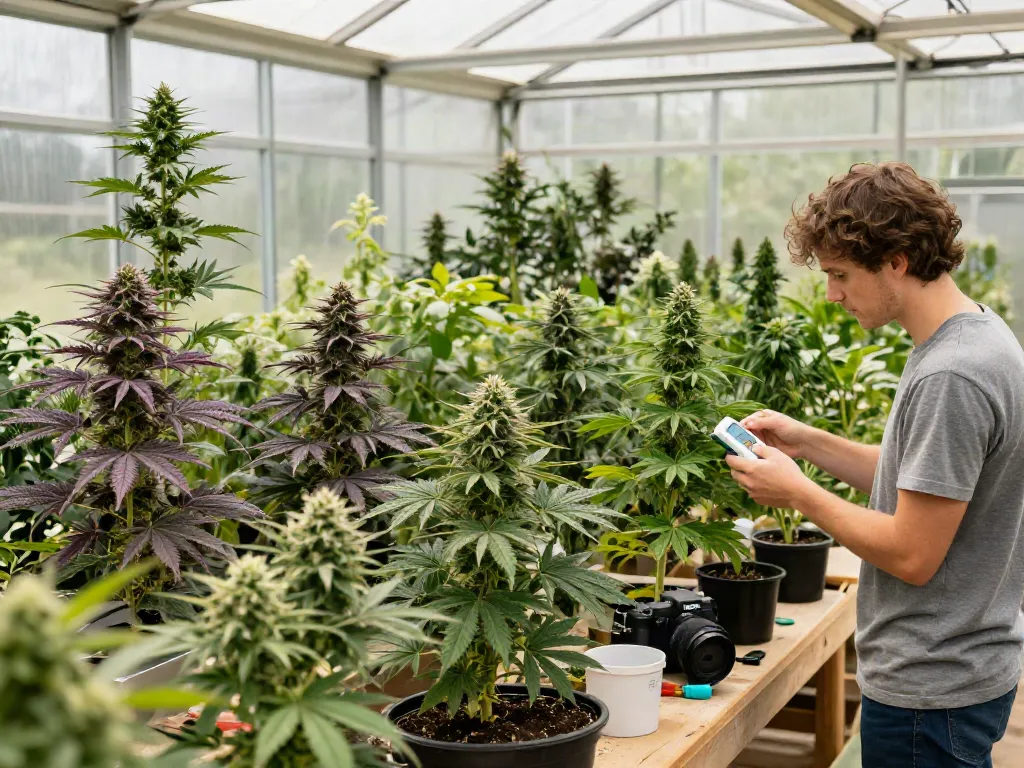
While autoflowering seeds are generally less demanding than photoperiod strains, they still require specific environmental conditions to thrive. Ideal conditions include:
- Light: Autoflowering plants do well under continuous lighting (18-24 hours) during their entire growth cycle.
- Temperature: Maintaining a temperature between 68-77°F (20-25°C) promotes optimal growth.
- Humidity: Keeping humidity levels between 40-60% during vegetative growth and lower during flowering helps prevent mold and mildew.
Growing Autoflowering Cannabis: Essentials and Best Practices
Starting Autoflower Seeds: Germination Processes
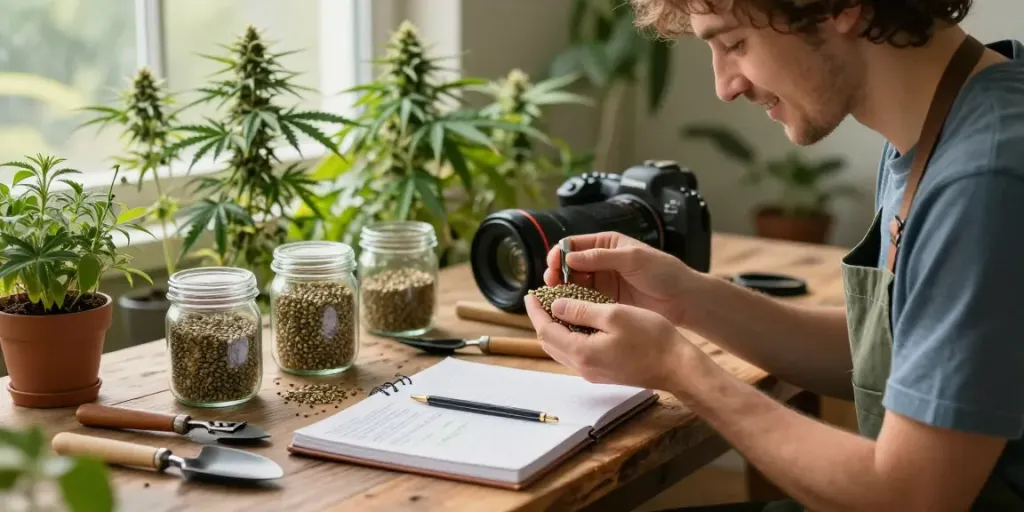
Germinating autoflowering seeds is a straightforward process but requires attention to detail to ensure successful growth. The common method involves the paper towel technique, where seeds are placed between damp paper towels until they sprout. It's essential to maintain moisture while preventing excess water, as this can cause seeds to rot.
Optimal Growing Conditions for Autoflowering Plants
Once germinated, transferring seedlings to their final pots is crucial. Autoflowering plants benefit from being planted directly into larger pots (3-5 gallons) to avoid the stress of transplanting. Providing a nutrient-rich soil that drains well is vital, as these plants thrive on slightly acidic to neutral pH levels (6.0-7.0).
Common Mistakes to Avoid with Autoflowering Varieties
New growers often make several mistakes when cultivating autoflowering seeds:
- Transplanting seedlings too early, which can impede growth.
- Over-fertilizing, as autoflowering plants have shorter growth cycles and can quickly become nutrient-burned.
- Inadequate lighting, leading to weak plants with poor yields.
Comparing Autoflowering with Feminized and Regular Seeds
Key Differences and Similarities Explained
When comparing autoflowering cannabis seeds to feminized and regular seeds, several key differences arise:
- Flowering triggers: As previously mentioned, autoflowering seeds flower according to age, while feminized and regular seeds rely on light changes.
- Yield potential: Autoflowering strains often yield less than photoperiod strains, but they can produce multiple harvests in a season, potentially balancing out cumulative yield.
- Grower experience: Autoflowering seeds are ideal for beginners due to their simplicity, whereas feminized and regular seeds may require more knowledge about light cycles and plant management.
Pros and Cons of Each Seed Type
Each type of cannabis seed comes with its own set of advantages and disadvantages:
- Autoflowering Seeds: Fast growth and ease of care, but typically lower yields.
- Feminized Seeds: Guarantees female plants for bud production, but requires light cycle management.
- Regular Seeds: Can produce both males and females, useful for breeding, but comes with the risk of unwanted males in the growing process.
Choosing the Right Seed for Your Goals
Ultimately, selecting between autoflowering, feminized, and regular seeds depends on your cultivation goals, experience level, and environmental conditions. For growers focused on a straightforward, productive experience, autoflowering seeds represent an excellent option.
Frequently Asked Questions about Autoflowering Cannabis Seeds
What is the downside to autoflowering seeds?
One downside of autoflowering seeds is their generally lower yield potential compared to photoperiod strains, especially when grown under less than optimal conditions. Additionally, they may not have the same potency or flavor profiles as some top-tier photoperiod strains, depending on the breeder and genetics.
Is it worth growing autoflowers?
For many growers, especially those new to cannabis cultivation or those looking for quick turnarounds, autoflowering seeds are definitely worth considering. They provide a simple growing experience with the potential for multiple harvests in a single season, making them ideal for growers with limited space or who want a low-maintenance option.
What are the best autoflowering cannabis seeds?
The best autoflowering cannabis seeds often depend on personal preferences and desired effects. Popular strains include Royal Gorilla Auto, Blue Dream'matic, and Purplematic CBD, each offering unique flavors and effects to suit varied tastes.
Do you soak autoflower seeds before planting?
Soaking autoflower seeds is not always necessary, but some growers choose to soak them for a few hours to stimulate germination. However, using the paper towel method is generally preferred for better control over moisture levels.
How long does it take for autoflowering seeds to mature?
Most autoflowering cannabis seeds mature and are ready for harvest within 8 to 12 weeks, depending on the strain and environmental conditions. This rapid growth cycle is one of the primary advantages of autoflowering varieties.