
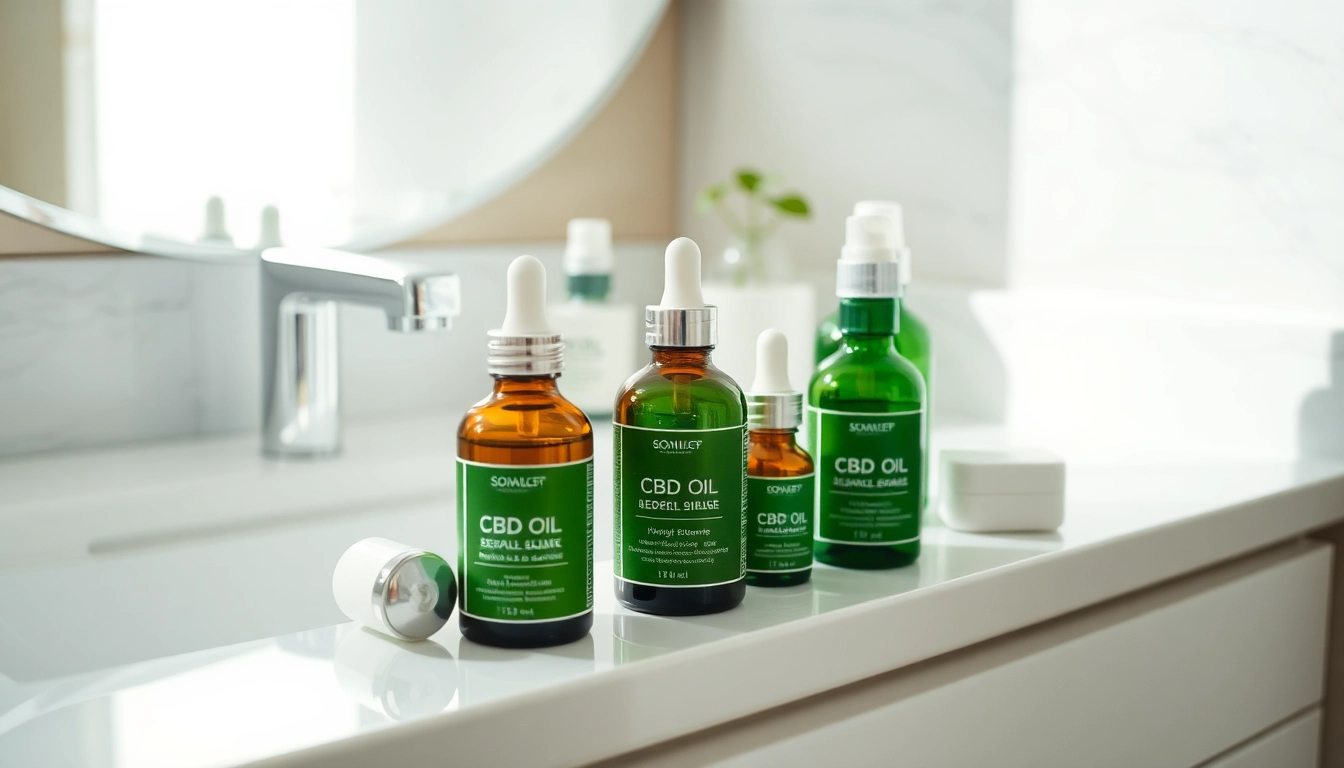
Understanding CBD Oil for Skin
What is CBD Oil?
Cannabidiol (CBD) oil is a natural extract derived from the cannabis plant. Unlike its more famous counterpart, tetrahydrocannabinol (THC), CBD does not produce psychoactive effects. Instead, it has gained significant attention for its potential therapeutic benefits, particularly in the skincare realm. CBD oil is rich in essential fatty acids, terpenes, and flavonoids, all of which contribute to its beneficial properties when applied to the skin. By interacting with the endocannabinoid system of the body, CBD oil can potentially help regulate various skin functions, promoting health and balance.
Origins and Sources of CBD
CBD is primarily sourced from hemp, a variety of the cannabis plant known for containing low levels of THC. Hemp is cultivated in many regions around the world, thriving in diverse climates. The oil is extracted through various methods, such as CO2 extraction and solvent extraction, to ensure a safe and potent product. Hemp-derived CBD is legal in many places, provided it adheres to specific regulations regarding THC content. This accessibility makes CBD oil a popular choice in skincare, allowing more individuals to explore its benefits for skin health.
How CBD Interacts with Skin
The skin contains cannabinoid receptors that are part of the endocannabinoid system, which is involved in regulating various physiological processes, including inflammation, immune response, and skin homeostasis. When topically applied, CBD oil interacts with these receptors, providing localized effects. This interaction may help alleviate symptoms of various skin conditions and improve overall skin health.
Benefits of CBD Oil for Skin
Anti-Inflammatory Properties
One of the most well-documented benefits of CBD oil for skin is its anti-inflammatory properties. CBD has been found to reduce the production of inflammatory cytokines and can inhibit the activation of a protein that triggers inflammation. This makes it an excellent option for those suffering from conditions like acne, psoriasis, and eczema. Studies suggest that incorporating CBD oil in skincare can help reduce redness and irritation, offering relief for inflamed skin.
Hydration and Moisture Retention
Maintaining proper skin hydration is essential for overall skin health, and CBD oil can play a significant role in this aspect. Rich in omega fatty acids, CBD oil helps replenish and maintain the skin's moisture barrier. By preventing moisture loss, CBD oil keeps the skin hydrated, supple, and looking youthful. Many people report improved skin texture and elasticity after consistent use of CBD-infused skincare products.
Potential Acne Treatment
Acne is often exacerbated by inflammation and increased sebum production. Research indicates that CBD may help reduce sebum production in the skin while simultaneously providing anti-inflammatory benefits. This dual action can make CBD oil a promising treatment for acne-prone skin. By incorporating CBD oil into an acne treatment regimen, individuals may find a reduction in breakouts and a more balanced complexion.
How to Use CBD Oil for Skin
Recommended Application Methods
Using CBD oil for skin concerns can be done in several effective ways. First, it can be applied topically as a standalone oil or combined with other carriers such as coconut oil or jojoba oil. Additionally, CBD-infused creams, lotions, and serums are readily available, offering convenient options for application. For targeted treatment, a concentrated CBD oil can be dabbed onto affected areas for maximum effectiveness.
Best Products Containing CBD
When selecting CBD skincare products, it's crucial to look for high-quality formulations. Products with organic, non-GMO ingredients and third-party lab testing are often more reliable. Popular options include CBD facial oils, balms, and moisturizers that provide both hydration and therapeutic benefits. Always opt for products that specify their CBD concentration to ensure proper usage and efficacy.
Frequency of Use
For best results, CBD oil should be used consistently. Depending on the specific skin concern, it can be applied once or twice daily. Individuals with sensitive or reactive skin may want to start with a patch test, applying the product to a small area to assess tolerance. Establishing a regular skincare routine incorporating CBD oil can yield noticeable improvements over time.
Scientific Research on CBD Oil for Skin
Clinical Studies and Findings
Research surrounding the benefits of CBD oil for skin is still emerging, yet initial findings are promising. Clinical studies have highlighted CBD's potent anti-inflammatory properties, suggesting it can significantly affect conditions like dermatitis and acne. A systematic review of topical cannabinoids revealed improved outcomes in patients with various skin disorders, showcasing CBD's therapeutic potential.
Comparison to Traditional Treatments
Many conventional skincare treatments can come with side effects, such as dryness or irritation. In contrast, CBD oil has demonstrated a favorable safety profile, making it an attractive alternative or adjunct to traditional therapies. For instance, topical corticosteroids often prescribed for inflammatory skin conditions can cause thinning of the skin over time. CBD offers a more natural option with fewer adverse effects, providing encouragement for individuals seeking gentler treatments.
Future Directions in Research
The future of CBD research in skincare appears bright, with ongoing studies investigating its efficacy across various skin conditions. More extensive clinical trials are essential to fully understand optimal dosages, formulations, and long-term effects. As researchers continue to explore CBD's potential, new and innovative products may emerge, enriching the landscape of skincare solutions.
Considerations and Precautions
Possible Side Effects
While CBD is generally well-tolerated, some users may experience mild side effects such as skin irritation or allergic reactions. It's essential to monitor how your skin responds, especially when introducing a new product. If any adverse reactions occur, discontinue use immediately and consult a healthcare professional for guidance.
Choosing Quality CBD Products
Not all CBD products are created equal. Consumers should focus on selecting high-quality items that provide transparent information regarding their sourcing and manufacturing processes. Look for products with a Certificate of Analysis (COA) from an independent lab, confirming the potency and purity of the CBD content. Understanding the source of the hemp and the extraction method used are also crucial in ensuring the product’s quality.
Consulting with Healthcare Providers
Before incorporating CBD oil into your skincare routine—especially if you have underlying skin conditions or allergies—consulting with a healthcare provider is advisable. A professional can assess your unique situation and offer tailored recommendations to help you achieve optimal skin health while safely incorporating CBD into your regimen.